





Is My Child’s Anxiety Normal or a Sign They Need Psychiatric Help in Frisco?
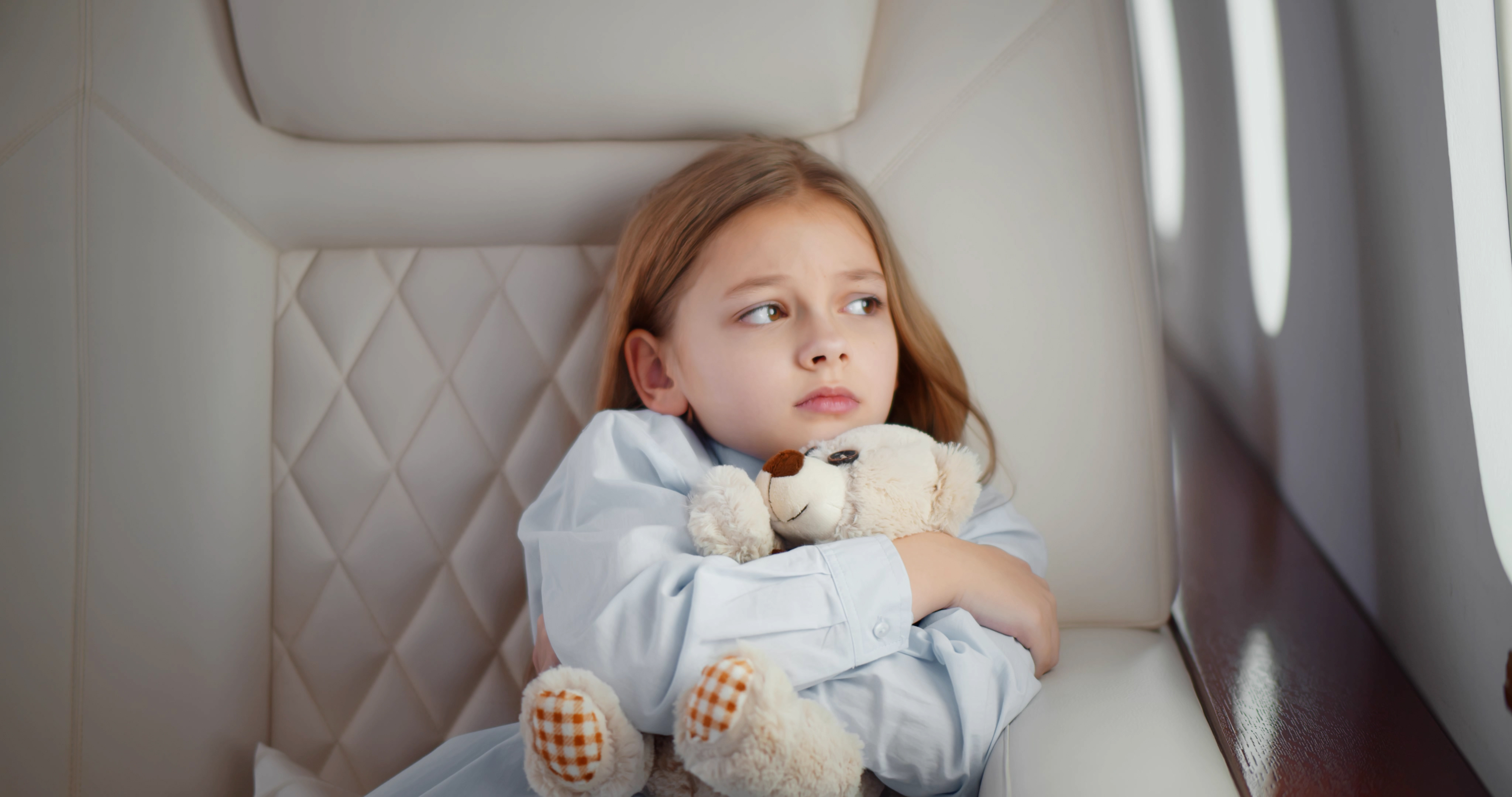
Anxiety is a normal part of childhood. Many children feel nervous before a test, a new school year, a social event, or a major change at home. But when anxiety starts to interfere with daily life, relationships, sleep, school performance, or family routines, it may be time to look more closely. For families in Frisco, knowing when to seek psychiatric help can make a meaningful difference in a child’s emotional health and long-term well-being.
When Childhood Anxiety Is Common
Some anxiety is expected as children grow and face new experiences. Younger children may worry about being away from parents, while older children and teens may feel pressure around school, friendships, sports, or future goals. These worries often come and go, and children can usually be comforted, redirected, or supported through them.
Normal anxiety typically improves with reassurance, structure, and time. If your child is still playing, learning, sleeping, and connecting with others, their anxiety may be part of a typical developmental stage.
Signs Anxiety May Need More Support
Anxiety may be more concerning when it becomes intense, frequent, or difficult for your child to manage. Parents may notice emotional changes, physical complaints, or avoidance behaviors that begin to affect the whole family.
Common signs that a child may benefit from psychiatric support include:
- Frequent stomachaches, headaches, or nausea without a clear medical cause
- Trouble sleeping, nightmares, or fear of sleeping alone
- Avoiding school, activities, friends, or family events
- Panic symptoms such as racing heart, shaking, or shortness of breath
- Irritability, tearfulness, outbursts, or sudden mood changes
- Constant reassurance-seeking or excessive worry about everyday situations
If these patterns continue or worsen, a psychiatric evaluation can help identify what is driving the anxiety and what type of care may be most helpful.
How Anxiety Can Affect Daily Life
Anxiety is not always obvious. Some children become quiet and withdrawn, while others act angry, defiant, or overwhelmed. A child who refuses school may not be trying to misbehave - they may feel unable to face the day. A teen who seems unmotivated may be struggling with racing thoughts, social fear, or pressure they do not know how to explain.
When anxiety begins shaping a child’s choices, limiting their confidence, or creating ongoing stress at home, professional help can provide clarity.
What Psychiatric Help Can Provide
A child and adolescent psychiatrist can evaluate your child’s symptoms, development, family history, school concerns, and emotional patterns. The goal is not to label your child, but to understand what they are experiencing and create a thoughtful plan for care.
Support may include therapy recommendations, coping strategies, family guidance, school collaboration, lifestyle adjustments, or medication when appropriate. Psychiatric care can also help identify whether anxiety is connected to another concern, such as ADHD, depression, trauma, or mood changes.
How Early Care Supports Your Child’s Well-Being
Children do not have to be in crisis to benefit from help. Early support can give families tools before anxiety becomes more disruptive. It can also help children learn how to name their feelings, build confidence, and develop healthier ways to respond to stress. For parents in Frisco, seeking psychiatric help for a child’s anxiety is not an overreaction. It is a proactive step toward understanding your child’s needs and helping them feel more secure, capable, and supported.
Schedule a consultation at The Lighthouse of Frisco to learn more about child and adolescent psychiatric care. Click “Get Started” at www.tlhof.com, or call (214) 618-0544 to book a free consultation today.


© 2026 The Lighthouse of Frisco. All rights Reserved. Accessibility Statement - Privacy Policy - Sitemap
Powered by:
